
I debated back and forth on starting a blog about being a mom to an autistic child. I know there are tons out there and wondered if I would have anything to offer the world that they might not already know.
After talking with a friend and attending a TEACCH autism conference in Chapel Hill, I realized that I do need to use my voice and my experiences to hopefully educate others and bring further awareness to autism and everything the diagnosis entails. Others have told me what an inspiration I am to them, and the fact my voice needs to be heard. I have the extra challenge of also being a single mom. I became a single mom around the same time my son was diagnosed with autism at the age of two. Did my son’s diagnosis cause our separation? No, but unfortunately special needs parents have more stressors than the average family and similarly the divorce rate is higher. His dad was in denial of his diagnosis at first and I was tired of living in a toxic marriage.
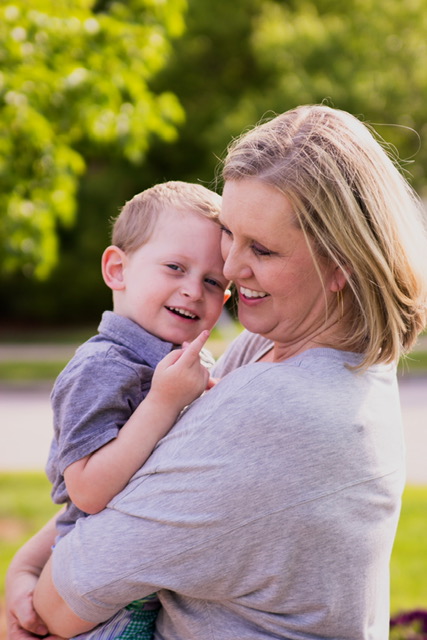
Dealing with an autism diagnosis can be scary, isolating, and depressing. However, having an autistic child can be adventurous, exciting, and rewarding. Hopefully my blog will show the many facets to an autism diagnosis and be an inspiration to all moms with small children who are exploring their new normal.
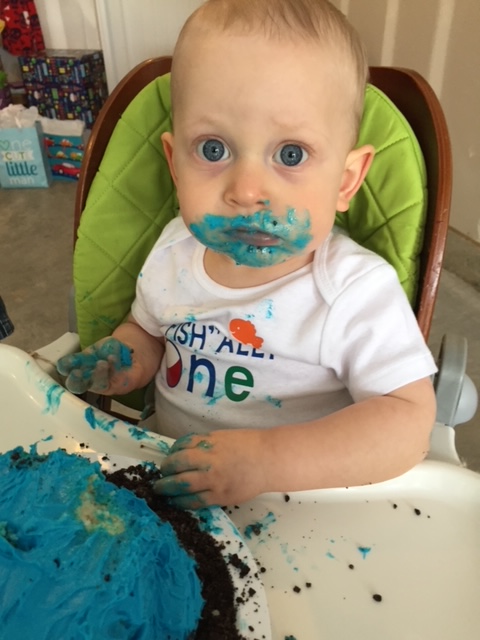
When professionals ask me how old my son was when he was diagnosed, I commonly hear the experts say, “early intervention is so important” and they reassure me that starting services at a young age is beneficial. As thankful as I am that Elias got diagnosed when he did, I realize now after attending the TEACCH conference that he should have been tested at 18 months when symptoms became apparent to me. If I’m honest, looking back over videos and pictures from his first birthday, the signs were present.
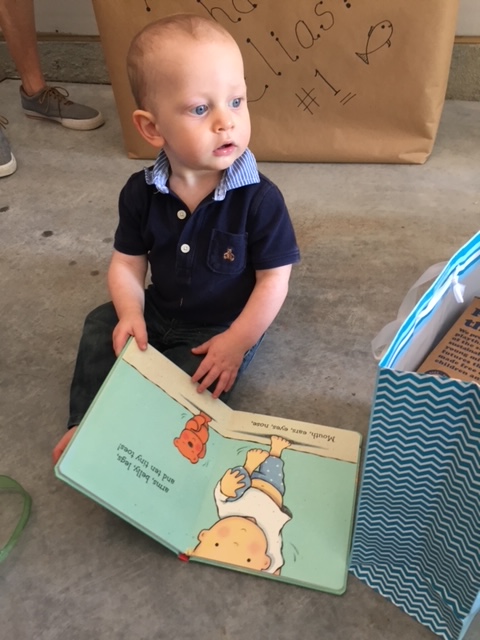
The latest research has proven that the first signs of autism surface between 9-12 months of age. Sadly only 30% (approx.) of the children who have autism get diagnosed before the age of 4. Elias showed most of the red flags by 12 months but being a first time mother and trusting my pediatrician and speech therapist, I didn’t see the need to have him tested. I thought I got lucky having a child that entertained himself for hours with his toys when he was a baby. He talked to himself in his crib before and after nap time, and even failed his hearing test which of course to my mama brain explained why he was having difficultly responding to his name from across the room. I thought getting tubes in his ears around 21 months would solve all his issues, when in reality that was a false hope and just prolonged my much needed diagnosis. Elias did not engage with my bids for his attention. He had a flat affect during his first birthday and was more interested in things than people. All early signs pointing to autism.
Amy M. Wetherby, Ph.D, CCC-SLP, executive director of the Autism Institute from Florida State University College of Medicine was one of the speakers at the conference. She has thirty years of clinical experience, and is a distinguished research professor in the Department of Clinical Sciences at FSU. She educated us on a resource for parents that every parent of an infant should familiarize themselves with to rule out any warning signs of autism.
Baby Navigator has two resources for parents to perform a self evaluation on their child. The first is 16 gestures by 16 months and the second is 16 early signs of autism by 16 months. This website is full of helpful developmental tools regardless if your child has autism or not. Looking back Elias had most of these by 16 months and could have been tested by 18 months but we kept being told he wasn’t as bad as “so and so” who has autism. When we saw a speech therapist after his tube placement, she didn’t seem overly concerned he had autism and never suggested we have him tested.
Nicole Dreiling, Ph.D also stated at the conference that parents trust their healthcare providers to encourage testing and to screen their children for autism, yet most providers don’t feel comfortable suggesting early testing.
Why? When 1 out of every 59 kids has the diagnosis …. why in the heck aren’t more toddlers getting tested?! My theory is fear. We live in an era where everyone gets offended if someone mentions their child isn’t “normal.” They see their child in rose colored glasses and if their pediatrician doesn’t tell them what they want to hear, they move onto another doctor or specialist. Providers are afraid of giving the wrong suggestion and frankly parents don’t want to hear it. Most parents fear an autism diagnosis like it’s a death sentence.
Did I want Elias to have autism? Of course not! Did I fear his baby brother Riley would also have a diagnosis when he grew older? Of course I did! Since siblings have a 20% greater chance of developing autism, I lived in constant fear and worry. There were some studies performed by local universities that I missed out on, but I was able to enter Riley into a study for infants of siblings with an autism diagnosis. We are blessed to live in an area where research is constantly being performed. The only obstacle is educating others on the studies and resources available to families with an early diagnosis.
Can I help others who have questions lingering in their guts when something isn’t “quite right?” Yes! I can spread the word, disseminate online tools, and encourage parents to do their own developmental assessment starting at 9 months. Parents need to make sure their infants are achieving their developmental milestones aside from the assessments you perform at the pediatrician’s office. Don’t let a 15 minute well-visit be the only screening tool you use and if you have some red flags, don’t let others talk you out of testing your child.

Elias has high functioning autism with some saying he doesn’t always “act” like he has autism, but he still has a diagnosis of autism. I’m so glad I listened to my motherly gut instinct with a desire to get him formally tested. We all want the best for our children and studies have shown that early diagnosis and early intervention can make a difference. Educate yourself and encourage other parents to do the same.
 Southern Special Needs Single Mom